Jerusalem
David's capital, the temple, and the city where Jesus was crucified and rose (2 Samuel 5; the Gospels; Acts 1–2).
Walk through it
The Last Supper and Pentecost...HERE! — Expedition Bible
Sources
- Biblical Archaeology Society — The Siloam Pool
- World History Encyclopedia — Jerusalem
- Bible Hub — John 9:7
- Bible Hub — Luke 22:12
- Bible Hub — Acts 2:1
- YouTube — Expedition Bible — The Last Supper and Pentecost...HERE!
Read more
Mount Zion and the Upper Room
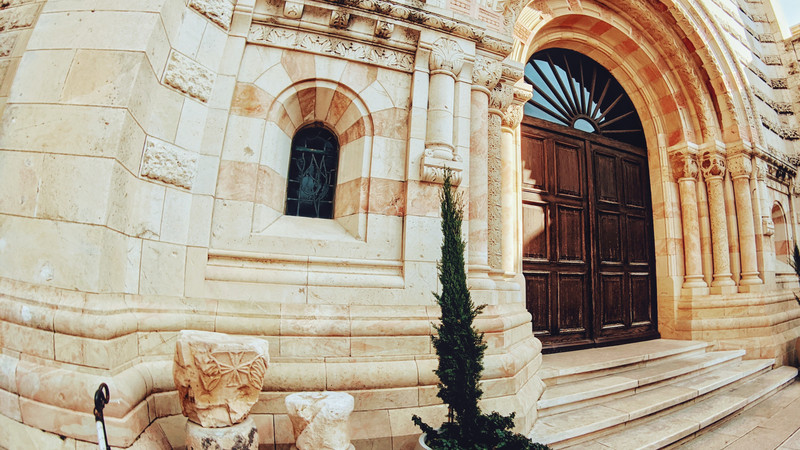
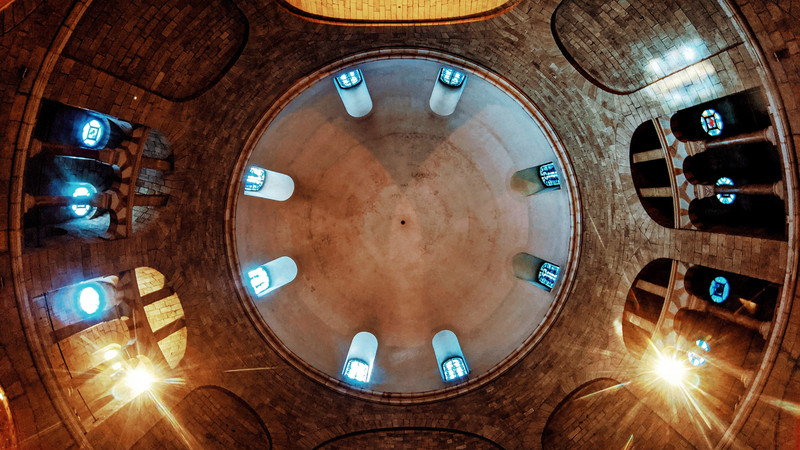
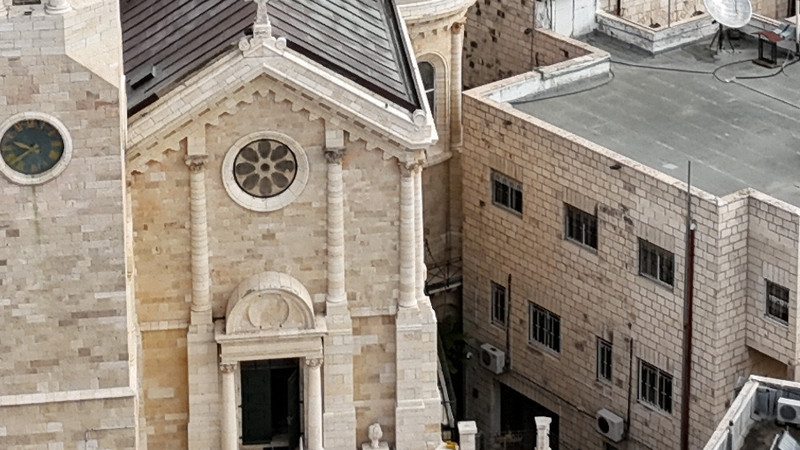
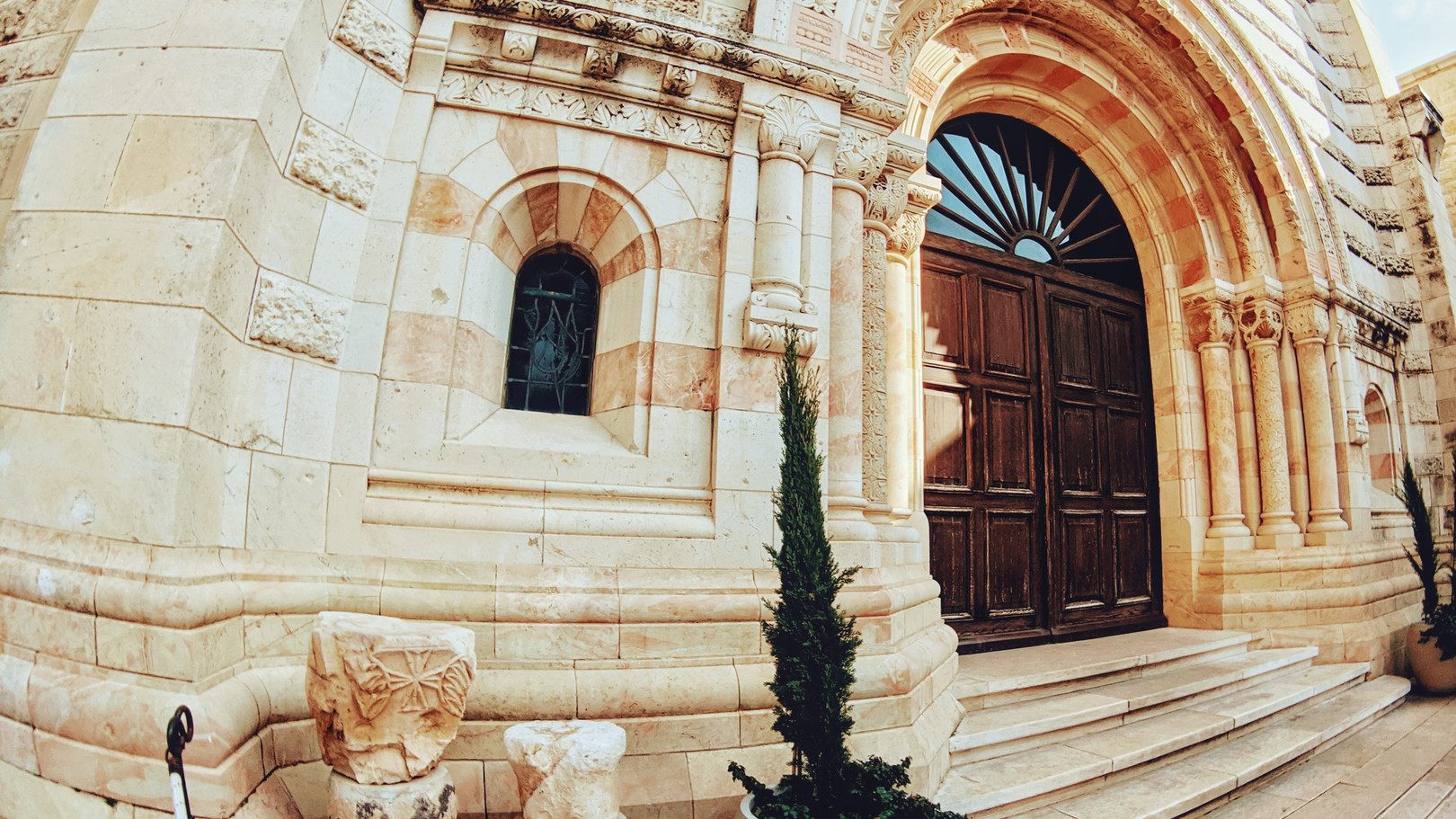
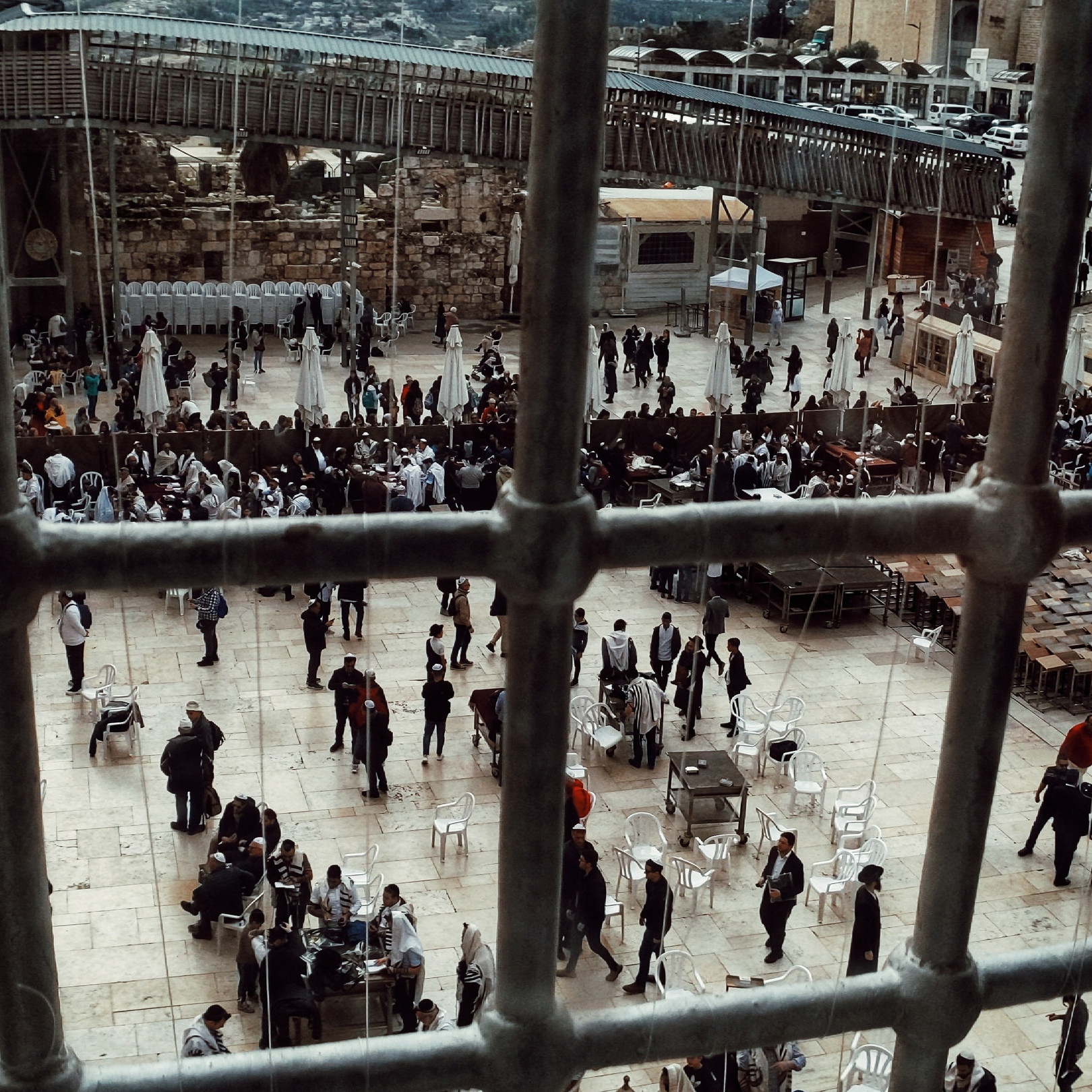
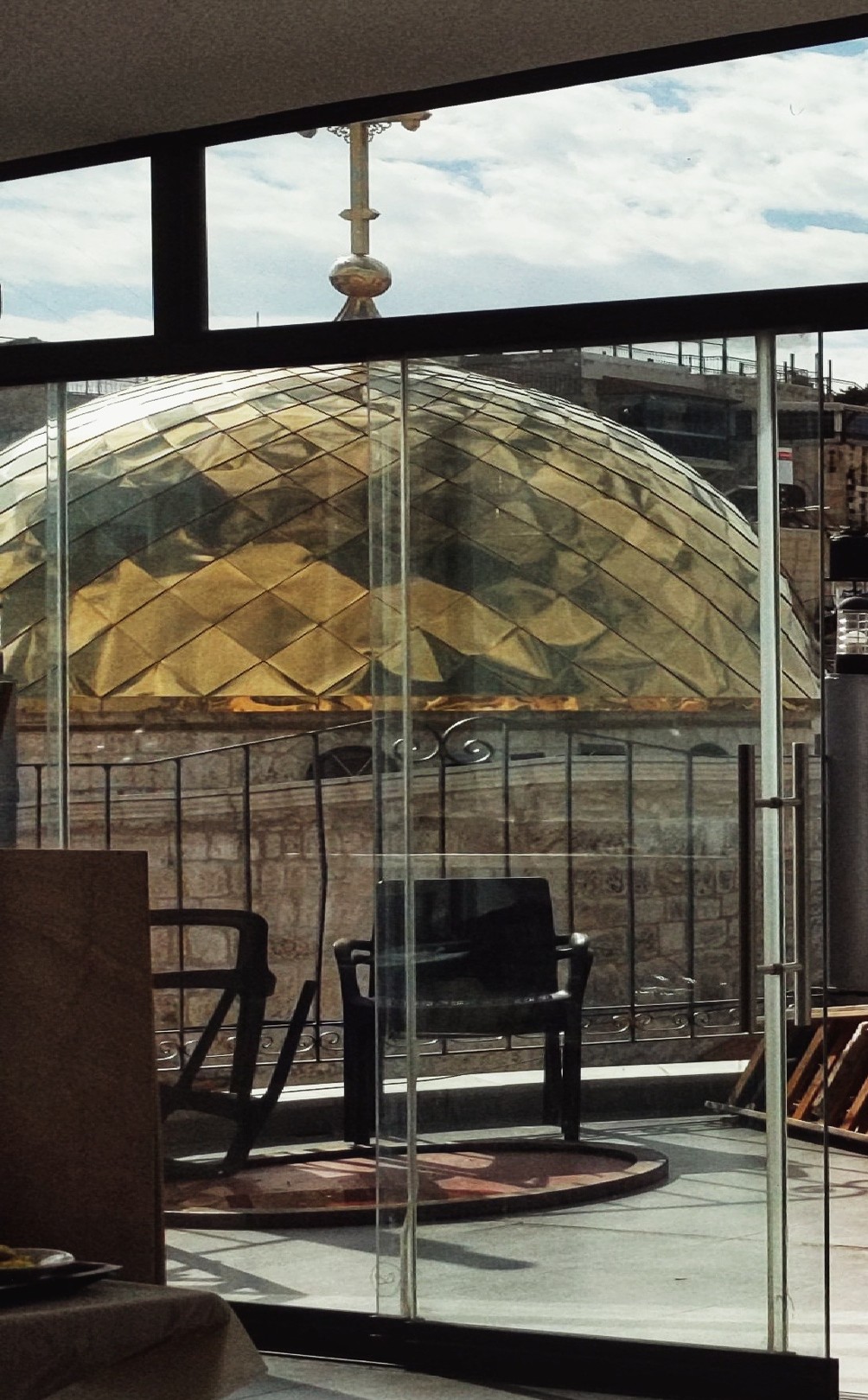
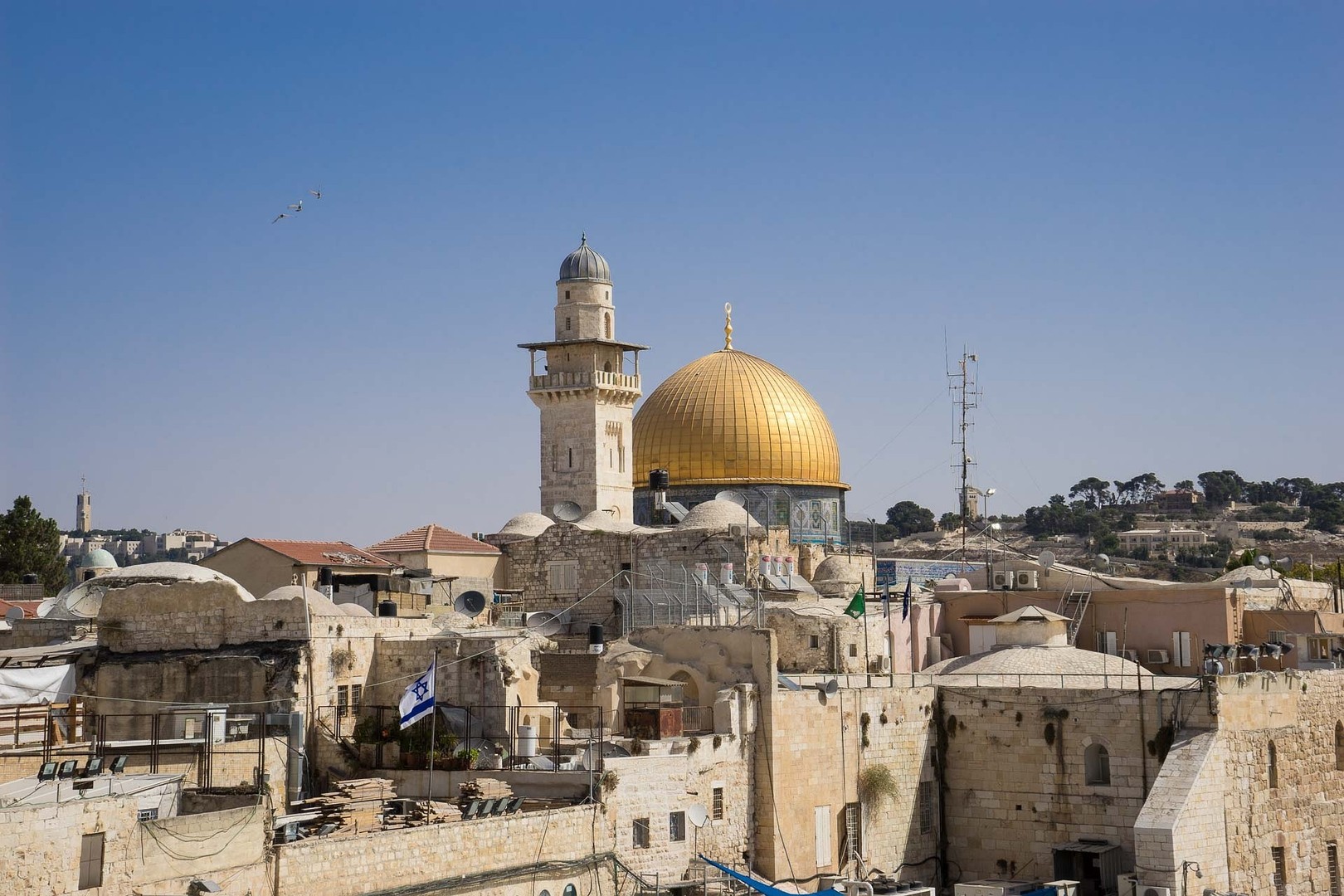
On the south-western hill that later tradition calls Mount Zion stand the Abbey of the Dormition and, beside it, a Gothic hall long pointed out as the Upper Room, or Cenacle. The identification is traditional: the New Testament does not name this building, and the present hall is a later structure. Even so, the memory is old, and it is kept here as tradition, not as a proven first-century room. Scripture says Jesus sent Peter and John to a house where they would find a large upper room furnished for the Passover, and that there he took bread and the cup (Luke 22:7-20; see Luke 22:12). After the ascension the apostles returned to an upper room in Jerusalem (Acts 1:13), and when the day of Pentecost was fully come they were all together in one place when the Spirit came (Acts 2:1-4). The photographs show the abbey's entrance on Mount Zion, a window looking toward the Western Wall, and the gold dome seen from a nearby rooftop, as they stand today.
Who lived there
Jebusites; then the united and later divided kingdoms of Israel and Judah; returning exiles under Persian rule; Hasmonean and Herodian Jerusalem; the city of the Second Temple period in which Jesus and the first church walked.
What the ground has shown
The City of David excavations have exposed Bronze and Iron Age remains on the eastern ridge. The pool of Siloam, known from Scripture and later writers, was identified in 2004 as a large stepped pool of the late Second Temple period, fed by Hezekiah's tunnel. The church of the Holy Sepulchre and the Western Wall are later standing witnesses to the city's long memory, but this page stays with excavation and text.